Standing in front of a size chart with a growing child in mind? For kids sewing pattern sizing, trust measurements, with height first, rather than the age on the envelope.
This guide is part of our series on how to sew kids clothes, and it focuses on picking the size before you cut.
| Item | Value |
|---|---|
| Most important measurement (Ikatee) | Height |
| Twig + Tale advice on choosing size | Use body measurements, not age |
| Ikatee baby chart: height at 12M | 74 cm / 29 in |
| Ikatee baby chart: height at 24M | 85 cm / 33.8 in |
| Twig + Tale footwear child sizes 6-13 | Approximate ages 18 months to 6 years |
| Twig + Tale footwear youth sizes 1-4 | Approximate ages 6 to 9 years |
Figures come from Ikatee’s size guide and Twig + Tale’s size charts. Brands update their charts, so check the source before you rely on the numbers.
Kids sewing pattern sizing: why age labels mislead
A pattern marked with an age is only a rough guess. Children of the same age vary a lot in height, build and proportions, so two children who share a birthday year may need quite different sizes. A tall, slim child and a short, sturdy child can wear the same age label and fit neither.
Twig + Tale says plainly: “We recommend you take accurate measurements and compare those measurements to the chart to choose the correct size, rather than using age as a guide.” Their own charts list ages only as approximations.
Brands also differ from each other. A size label from one designer does not mean the same thing as the same label from another, so always read the chart that belongs to your pattern.
Start with height, then check the rest
Ikatee states that the height is the most important measurement, and that its patterns generally fit to age once you check the height and look up the matching age. Many children’s pattern companies use height as the main sizing line for this reason.
Height tells you the length of the body: sleeve length, trouser length, how far a dress falls. Circumference measurements then tell you whether the garment will be comfortable around the body.
The NMSU Extension guide on choosing a pattern size says the size within a pattern type is determined by your body’s circumference measurements, while the pattern type depends on height and figure development. It also notes that measuring regularly matters most for growing children.
- Height sets the starting size and the length of the garment.
- Chest is the key number for tops, jackets and dresses.
- Waist and hip matter most for trousers, shorts and skirts.
How to take your child’s measurements
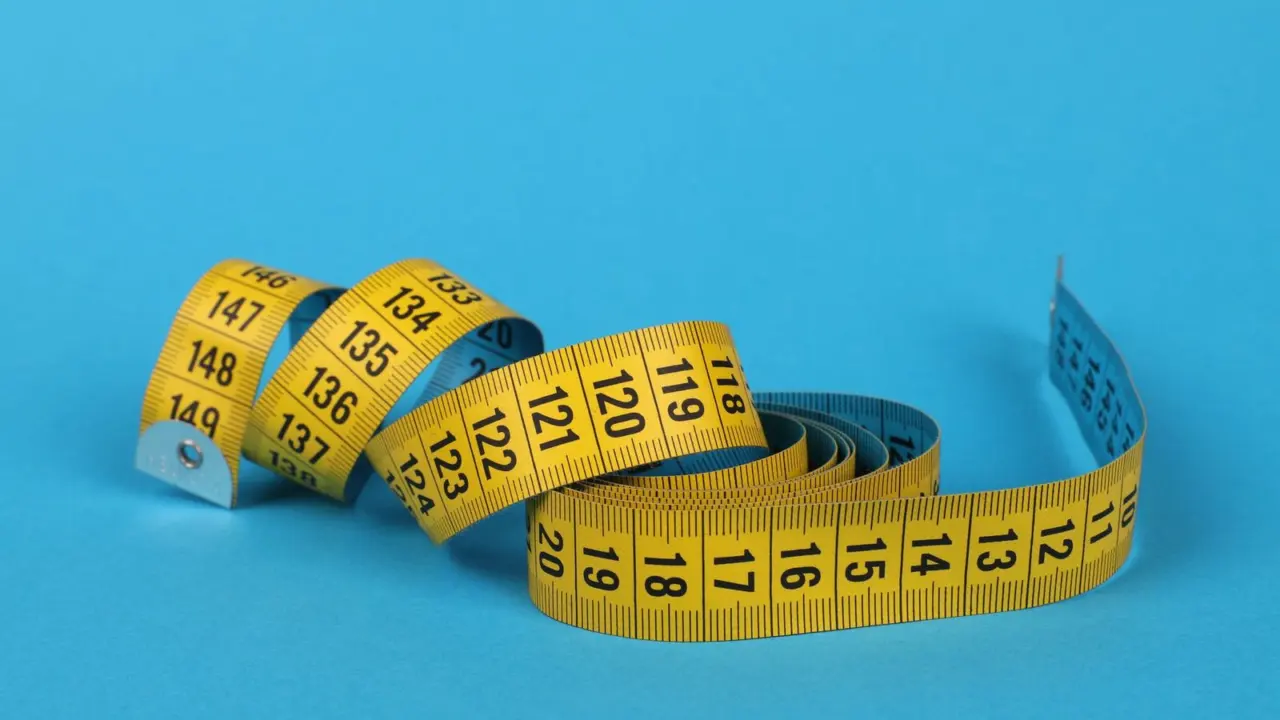
Ikatee describes the basics: stand the child straight and measure from head to toe for height, then take chest and waist with a tape. For chest, measure between the shoulder blades at the back and across the chest at the front. For waist, go all the way around at the waistline.
A few habits make the numbers more reliable:
- Measure over thin clothes or underwear, not over bulky layers.
- Keep the tape level and snug, but not tight enough to dent the skin.
- Ask the child to stand naturally, arms relaxed, and breathe normally.
- Write the numbers down with the date, then compare them with the pattern’s own chart.
Younger children often have no defined waist. Measure at the waist position specified by the pattern’s measuring guide.
What if the numbers fall between sizes?
This happens often with children. A child may be tall and slim, so the height points to one size while the chest points to a smaller one.
A sensible approach is to match the size to the part of the body the garment fits most closely, then adjust length separately. For a fitted bodice, follow the chest. For trousers, follow the waist and hip, and change the leg length.
- If height is larger than the chest size, lengthen the sleeves and body of the smaller size.
- If the chest measurement indicates a larger size than the height does, choose by chest and adjust the bodice and sleeve lengths as needed, following the pattern’s alteration guidance.
- Loose or stretchy designs may allow more tolerance; follow the pattern’s sizing and fabric-stretch guidance.
Many pattern makers include lengthen and shorten lines. Use them, since changing length is one of the easiest pattern changes.
Twig + Tale and Ikatee both publish a baby chart and a child chart that you can compare against. On Ikatee’s chart, a 12M baby is 74 cm tall and a 24M baby is 85 cm, so even a small gap in height can move a child into the next size.
Growing room, fabric and ease
Parents often size up to get more wear from a garment. That can work, but it is a trade-off: a garment that is too big can hang badly, and sleeves that flop over the hands or hems that drag are a nuisance.
A safer way to get extra wear is to build in length rather than width. Add a little to the hem or sleeve, or choose a design with a cuff or a fold that can be let down later.
Fabric changes the answer too. A stretch knit forgives small sizing errors, while a stiff woven shows every tight spot. Our guide to the best fabric for kids clothes explains which fabrics are more tolerant.
Underwear and swimwear are a special case. Ikatee says these must be very close to the body, and that for such small pieces height matters less than the child’s build.
Test before you commit
If you are unsure, a quick toile saves fabric and disappointment. Cut the pattern in an inexpensive fabric with similar stretch, and try it on the child.
A basic top makes a good test garment, and the steps are covered in how to sew a child’s t-shirt. Notice how the neckline sits, whether the sleeves are long enough, and whether the child can lift their arms.
Keep the test simple. Baste the side seams, skip the finishing, and focus on the places where fit matters: shoulders, neckline, armholes and length.
Write your adjustments on the pattern or in a notebook. Use these notes as a starting point next time, then re-measure the child and check the new pattern’s chart.
- Measure the child and record the date.
- Find the matching size on the pattern’s own chart.
- Choose the size by the key measurement for that garment.
- Adjust length, make a test, and note what you changed.
Frequently asked questions
Should I choose a pattern size by age?
Show answer
Not if you can avoid it. Twig + Tale recommends comparing accurate measurements to the chart rather than using age as a guide, and its charts give ages only as approximations.
Which measurement matters most?
Show answer
Ikatee names height as the most important measurement. After that, check chest for tops and waist and hip for bottoms.
How often should I re-measure a growing child?
Show answer
Measure before each new project. The NMSU guide says taking measurements regularly is especially important for growing children.
Can I use the same size from one brand to another?
Show answer
No. Each company draws its own sizes, so use the chart for the specific pattern you are making and compare your child’s measurements with it.